The Ultimate Guide to Choosing the Perfect Hiking Shoes
Hitting the trail offers unmatched freedom and connection with nature. But blisters, sore feet, or worse – a twisted ankle – can quickly ruin any adventure. Your hiking shoes are arguably your most crucial piece of gear, acting as the foundation for every step you take. Choosing the right pair isn't just about comfort; it's about safety, performance, and maximizing your enjoyment.
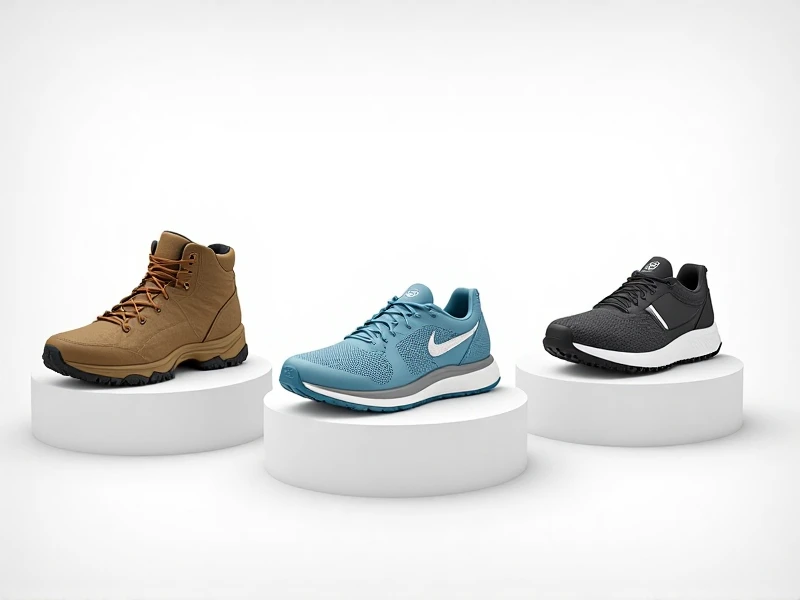
The term "hiking shoes" often encompasses various styles, primarily categorized as hiking shoes (low-cut), hiking boots (mid to high-cut), and sometimes trail runners. Your choice depends heavily on the terrain, distance, pack weight, and personal preference.
Key Factors for Selecting Your Hiking Shoes:
- Terrain & Load: Light trails and day hikes often call for lightweight, flexible low-cut hiking shoes or trail runners. Rugged, uneven paths, carrying a heavier backpack, or multi-day treks demand the added ankle support and stability of mid or high-cut hiking boots.
- Fit is Paramount: Absolutely critical! Your feet swell during hiking. Visit an outdoor retailer late in the day for fitting. Ensure ample toe room (thumb's width ahead of big toe), no slippage at the heel, and a snug (not tight) midfoot. Wear the socks you intend to hike in. Walk on an incline/decline if possible. Don't sacrifice fit for style or brand loyalty.
- Traction & Outsole: Look for aggressive lugs made of sticky, durable rubber (like Vibram Megagrip) designed to grip varied surfaces – wet rocks, mud, loose dirt. The lug pattern and depth determine performance on different terrains.
- Support & Stability: Features like supportive midsoles (EVA foam, sometimes polyurethane), shanks (thin plates in the midsole), and structured heel counters control foot flexion and provide stability on uneven ground, reducing fatigue and injury risk. Higher cuts offer more ankle support.
- Protection & Weather Resistance: Toe caps shield from rock strikes. A rock plate in the midsole protects against sharp stones underfoot. Waterproof hiking shoes (using membranes like GORE-TEX) are essential for wet conditions or snow, but can be less breathable. Breathable, quick-drying non-waterproof models excel in hot, dry climates.
- Materials: Durability meets breathability. Common uppers include leather (durable, protective, takes time to break in), synthetic fabrics (lighter, quicker drying, more breathable), or blends. Mesh enhances breathability but may sacrifice some protection.
Popular Styles & Brands:
- Hiking Shoes: Low-cut, agile, lightweight. Great for well-maintained trails, day hikes, fast packing. Brands: Merrell Moab Speed, Salomon X Ultra, Keen Targhee.
- Hiking Boots: Offer maximum ankle support, protection, and stability for tough trails, heavy loads, or longer trips. Brands: Lowa Renegade, Salomon Quest, Asolo Fugitive.
The Final Step: Break Them In! Never wear new hiking shoes straight onto a long trail. Wear them around town, on short walks, progressively increasing distance to mold them to your feet and soften materials.
Investing time in researching and fitting the perfect hiking shoes ensures your feet stay happy mile after mile, letting you focus on the breathtaking views, not your aching soles. Visit a reputable outdoor store, consult with experts, and step out confidently on your next adventure.