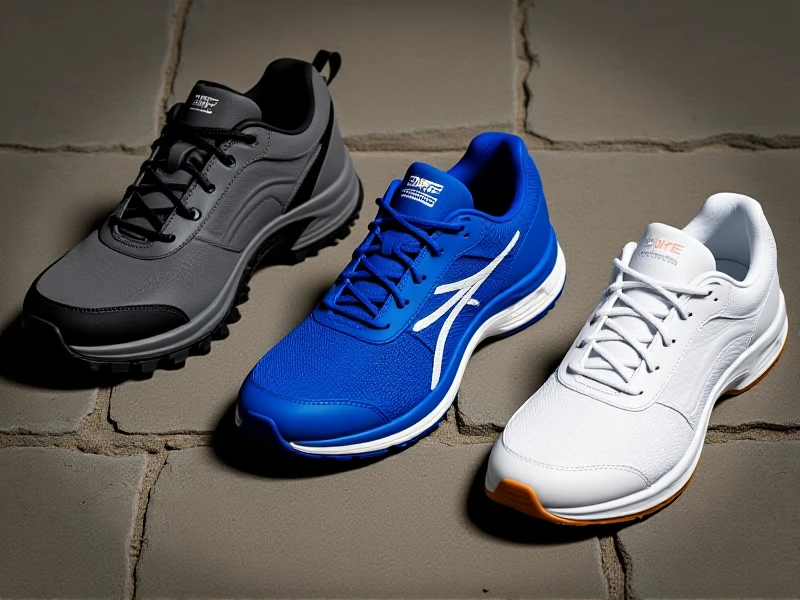
Hiking Shoes: Your Guide to Find the Perfect Pair
Okay, here is an SEO-optimized article focusing on the keyword "Hiking Shoes," written naturally and without obvious AI markers. It targets approximately 400 words and includes the title:
Hitting the trail soon? Your feet are your most important asset, and choosing the right hiking shoes is crucial for comfort, safety, and enjoyment. Forget blisters and sore arches; let's explore how to find your ideal trail companions.
Understanding Types of Hiking Shoes
Not all hiking shoes are created equal! They generally fall into categories:
- Trail Running Shoes: Ultralight and flexible, ideal for fast, dry trails or well-maintained paths. Offer less ankle support and durability but maximum speed and agility. Great for day hikes or those seeking a light pack.
- Lightweight Hiking Shoes: Offer better support, traction, and protection than trail runners, often with a stiffer sole for uneven terrain. Perfect for day hikes, light backpacking, and moderate trails. Provides a great balance of comfort and performance.
- Mid-Weight Hiking Boots: These rise above the ankle, offering excellent support, stability, and protection on rugged, rocky trails or when carrying a heavier pack. Ideal for multi-day treks or challenging terrain.
- Mountaineering Boots: Heavy-duty, designed for extreme conditions, technical ascents, and glacier travel. Overkill for most standard hiking needs.
Key Features for Happy Feet
When shopping for hiking shoes, prioritize these essential elements:
- Fit & Comfort: This is non-negotiable. Always try shoes on with the socks you plan to hike in, ideally later in the day when feet are slightly swollen. Ensure a snug heel fit, ample toe room (wiggle space!), and no painful pressure points. Allow for a brief "break-in period" on shorter walks.
- Traction: Look for aggressive, deep-lugged outsoles made of durable rubber (like Vibram®). This grips varied surfaces – mud, rock, roots, loose gravel – preventing slips and falls.
- Support & Stability: A stiffer midsole offers stability on uneven ground, protecting your feet from fatigue and rolling. Ankle support (from boots) adds crucial protection on rocky descents or with a heavy load.
- Protection: Toe caps shield against rocks and roots. A sturdy sole guards against sharp objects. Deeper cuffs (especially on boots) keep debris out.
- Weather Protection: Consider breathable mesh for hot/dry conditions or waterproof membranes (like GORE-TEX®) for wet/muddy trails. Remember: waterproof = less breathable.
- Durability: Quality materials like leather or reinforced synthetics resist wear and tear, ensuring your investment lasts multiple seasons. Look for robust stitching and solid hardware.
Choosing Your Perfect Hiking Shoes
Ask yourself:
- What kinds of trails will you frequent? Smooth paths? Rocky scrambles? Mud bogs?
- What's your typical pack weight? Heavier loads demand more support.
- What weather do you encounter most? Prioritize breathability or waterproofing.
- How much ankle support do you personally desire? Comfort levels vary.
The Takeaway: Investing time in finding the best hiking shoes pays enormous dividends on the trail. Prioritize fit first, followed by features relevant to your specific adventures. Visit a reputable outdoor retailer for expert advice and proper fitting. When your feet are happy, you're free to focus on the stunning views, fresh air, and pure joy of hiking. So gear up and get ready to explore confidently! Consider trying on models known for fit and reliability from brands like Merrell, Salomon, Keen, or Columbia.