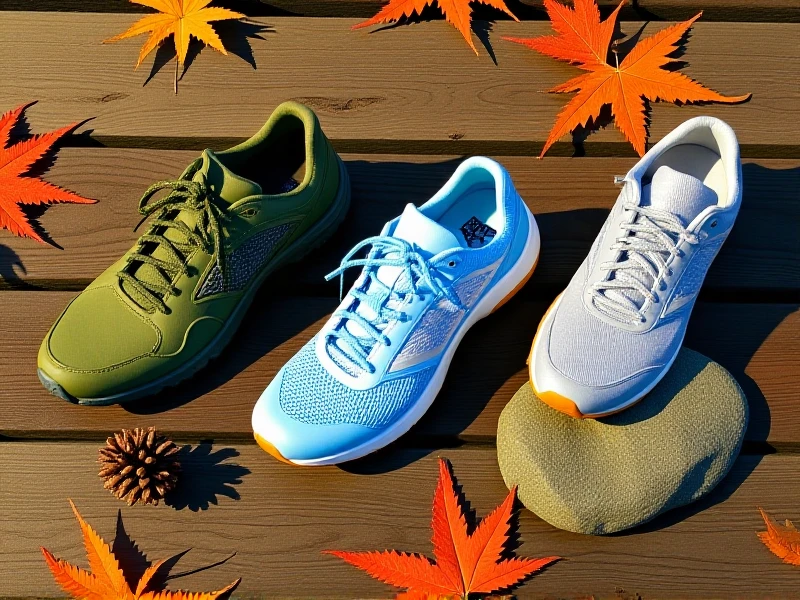
Finding Your Perfect Fit: The Ultimate Guide to Choosing Hiking Shoes
Here is a SEO-optimized article about Hiking Shoes, written in English, hitting the requested criteria:
Hitting the trail is an exhilarating experience, but nothing ruins adventure faster than sore feet or unstable footing. That's why selecting the right hiking shoes is absolutely crucial. They are your foundation, your connection to the terrain, impacting comfort, safety, and enjoyment with every step. Whether you're embarking on a gentle day hike through local forests or tackling challenging trails in the mountains, the perfect hiking footwear makes all the difference.
Comfort Reigns Supreme: Think of your hiking shoes as your reliable trail partners. Prioritize comfort above all. Look for models designed with ample cushioning, a supportive footbed, and minimal pressure points. Remember, your feet may swell slightly during long hikes, so trying on shoes in the afternoon or after some walking is wise. Allow some room to wiggle your toes but ensure your heel stays secure. Blisters are more than just a nuisance; they can derail a trip.
Ankle Support Matters: The terrain dictates the level of support needed. For well-maintained paths and lighter loads, low-cut hiking shoes offer excellent flexibility and breathability. Venturing onto rocky, uneven ground or carrying a heavier backpack? Opt for mid- or high-cut hiking shoes or boots. This extra ankle support significantly enhances stability, reducing the risk of twists and sprains on unpredictable descents or loose surfaces.
Tackle Terrain with Traction: Effective grip is non-negotiable, especially on slippery rocks, mud, or loose gravel. Modern hiking shoes feature advanced lug patterns and high-quality rubber compounds designed to bite into diverse surfaces aggressively. Deep, multi-directional lugs offer superior braking power and climbing grip. Consider the types of trails you frequent most when evaluating the sole's tread pattern.
Durability for the Long Haul: Hiking involves constant abrasion from rocks, roots, and dirt. Quality hiking shoes use durable materials like leather (waterproofed and breathable nubuck or full-grain) or hard-wearing synthetic materials (often reinforced with rubber 'rand' around the toe). Inspect the stitching and bonding – they should feel solid. Investing in durable footwear saves money and frustration in the long run.
Breathability & Water Management: Sweaty feet are hotbeds for blisters. Look for breathable mesh panels and moisture-wicking linings. If wet conditions are common, waterproof hiking shoes featuring membranes like Gore-Tex® are invaluable, keeping feet dry from external moisture like streams or rain-soaked trails. Remember, waterproof models are typically less breathable than non-waterproof mesh shoes, intended for drier climates or high exertion causing internal moisture.
A good fit is everything. Don't compromise. Visit a reputable outdoor store, get measured properly (your feet may have changed), wear your intended hiking socks, try multiple brands and styles, and spend significant time walking on an uneven surface if possible (many stores have a ramp). Think about the hikes you plan to tackle most – match the features of the hiking shoes to the demands of the trail. Your perfect step awaits!
URL-Friendly Slug: finding-perfect-hiking-shoes-ultimate-fit-guide
Meta Description: Discover expert factors for choosing hiking shoes! Focus on comfort, fit, support, grip & waterproof needs to conquer any trail safely and enjoyably. Find your perfect step here.
(Word Count: Approx. 435)