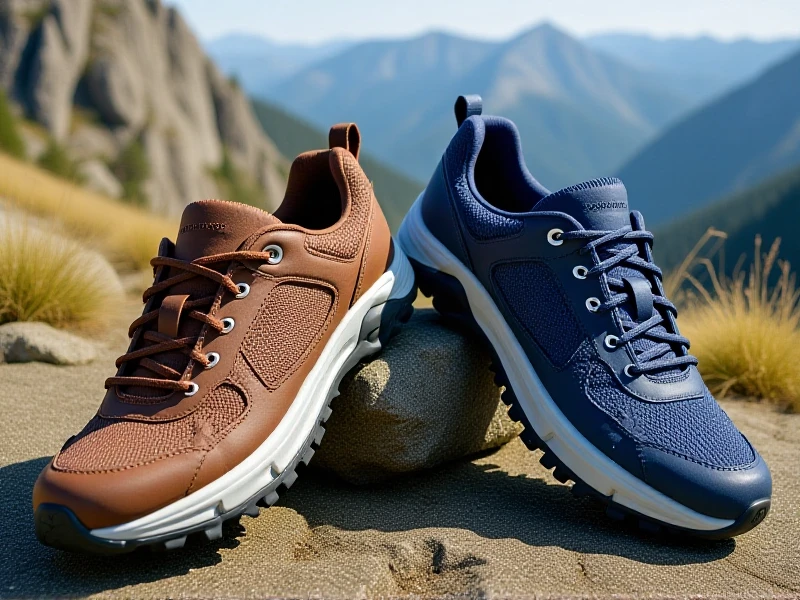
Your Ultimate Guide to Choosing the Perfect Hiking Shoes
Finding the right hiking shoes can make or break your outdoor adventure. Whether you're tackling rugged trails, enjoying coastal walks, or navigating forest paths, your footwear is your foundation. With so many styles and technologies, selecting the ideal pair might seem overwhelming. This guide simplifies the process, highlighting essential features to consider for comfort, safety, and performance.
Why Invest in Dedicated Hiking Shoes? Regular sneakers lack the specialized support and protection needed for uneven terrain. Proper hiking shoes provide enhanced traction, prevent slips on wet rocks or loose gravel, shield your feet from roots and sharp objects, and offer crucial ankle support to reduce fatigue and injury risk. They're designed to handle extended wear and variable conditions, keeping your feet comfortable mile after mile.
Key Features to Evaluate:
- Terrain Match: Consider your typical trails. For well-groomed paths, lightweight hiking shoes or trail runners offer agility. Rough, rocky, mountainous terrain demands sturdier boots with ankle support and aggressive outsoles. Waterproof models (e.g., Gore-Tex) excel in wet conditions, while mesh options offer breathability in drier climates.
- Traction is Paramount: Look for deep, multi-directional lugs made of durable, sticky rubber. Vibram® soles are often a reliable indicator. A solid heel brake enhances control on descents. Proper lugs clear mud effectively, maintaining grip.
- Fit & Comfort (Non-Negotiable!): Never compromise on fit. Your feet swell during hikes; ensure ample toe room (about a thumb's width). Try shoes on in the afternoon with hiking socks. Walk on an incline/decline if possible. Look for cushioned midsoles, secure heel cups (no slippage!), and minimal pressure points.
- Support & Stability: A firm midsole and internal chassis/shank reduce foot fatigue and protect against sharp rocks. Higher-cut boots offer more ankle support, beneficial for heavy loads or unstable surfaces. Mid- and low-cut shoes prioritize freedom of movement.
- Durability & Protection: Robust toe caps guard against impacts. Durable uppers (leather, reinforced synthetics) resist abrasion. Rubber randing around the toe and heel adds protection and longevity.
Caring for Your Investment: Extend the life of your hiking shoes. Remove insoles and laces after hikes to dry thoroughly away from direct heat. Clean off mud and debris with a soft brush and mild soap; avoid harsh chemicals. Regular conditioning (for leather) revives water resistance. Rotating between two pairs allows proper drying.
The perfect hiking shoes feel comfortable almost immediately, provide confidence-inspiring traction, and endure the demands of the trail. By prioritizing fit, terrain suitability, traction, support, and protection, you'll find the ideal partner for countless adventures, ensuring every step is secure and enjoyable. Visit your local outfitter, try on several pairs, and step out equipped for the journey ahead.