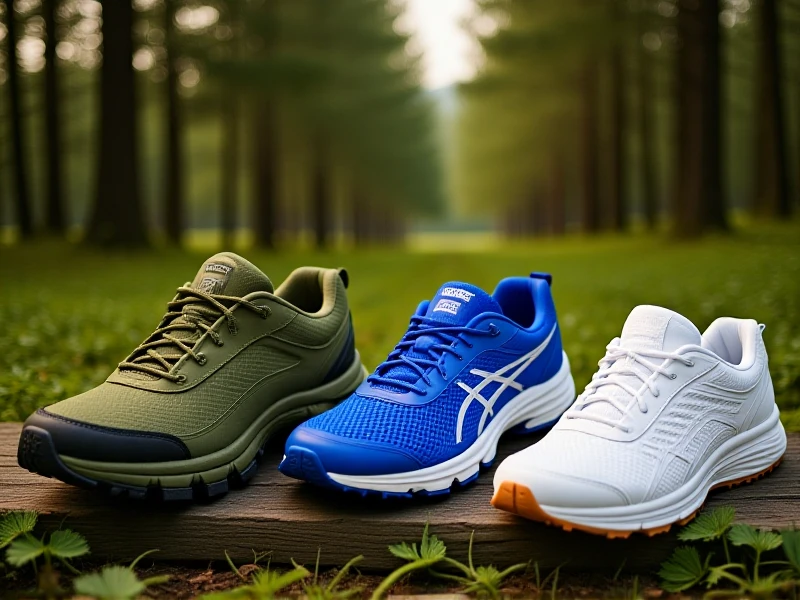
Don't Blame the Trail: Choosing Hiking Shoes That Actually Support Your Adventures
Forget the fancy backpack or high-tech jacket – your hiking shoes are arguably the most critical gear decision you'll make. Pick wrong, and that scenic trail quickly becomes a blister-filled slog. Get it right, and miles fly by with comfort and confidence. The key lies in understanding what truly makes a hiking shoe right for you.
It starts with the terrain. Walking smooth park paths? Low-cut hiking shoes with flexible soles offer light weight and agility. Venturing onto rocky scrambles or carrying a heavier load? Mid-cut, stiffer-soled hiking boots deliver essential ankle support and protection against uneven surfaces. Backpacking multiday trips? Heavy-duty, high-cut hiking boots provide maximum stability under significant weight. Match the shoe height and rigidity to your typical routes and load. Wearing beefy mountaineering boots for a flat local loop is as uncomfortable as flimsy sneakers are dangerous on a mountain descent. A boot or shoe that feels like overkill for your usual hikes is probably exactly that. Consider your routes carefully before purchasing.
Durability matters, but breathability and traction are non-negotiable. Hiking shoes endure punishment. Look for tough uppers like leather or abrasion-resistant synthetics. The sole needs aggressive, deeply lugged rubber designed for varied terrain – muddy slopes, loose scree, wet roots. Vibram soles are a renowned benchmark for reliable grip. Yet, don't sacrifice breathability. Trapped foot sweat leads to blisters. Modern synthetics and mesh panels offer fantastic moisture-wicking properties, keeping your feet drier. Hiking trails mean encountering water, so waterproof membranes (like Gore-Tex) are a smart choice, albeit slightly less breathable in intense heat. Be aware: while waterproofing protects stream crossings and rain, those waterproof boots will trap sweat if you're hiking in consistently warm, dry conditions. Breathable mesh shoes might be a better call for summer heat, even if they get wet faster. Waterproof shoes truly shine when facing cold puddles and rain, preventing icy water from chilling your feet.
Fit is paramount. Your feet swell on long hikes, so shop in the afternoon. Wear your intended hiking socks (always merino wool or synthetic blends – avoid cotton!). There should be a thumb's width of space from your longest toe to the shoe's end. Your heel must not slip, and the midfoot should feel secure, not pinched. Walk rigorously around the store, test on inclines if possible. Sizes vary wildly between brands – never assume your street size. Visit outdoor retailers where knowledgeable staff can help.
Protect your investment. Clean off mud regularly and store them away from direct heat to preserve materials and adhesives. Occasional waterproofing refreshers (like sprays) restore that essential water barrier for hiking shoes. Rotating between two pairs extends each shoe's lifespan significantly.
The right hiking shoes transform the trail from a challenge into pure, supportive enjoyment. Don't settle for anything less than perfect, snug comfort and dependable performance. Your feet (and your adventures) will thank you. What are you waiting for? Grab a pair and get exploring.