Unlock Your Best Run: Why the Right Running Shoes Make All the Difference
Finding the perfect pair of Running Shoes might seem simple, but it's a decision that profoundly impacts your running journey. Whether you're training for that first 5K or chasing a marathon PB, the shoes you strap on are your most critical piece of equipment. They're not just about looks; they're about comfort, performance, and preventing injury. Investing in the right pair pays dividends every single mile.
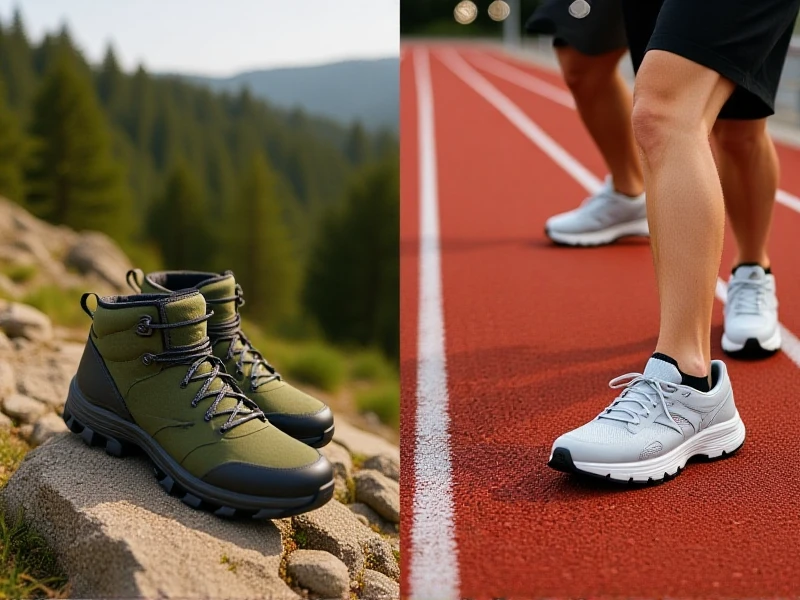
The foundation of a great Running Shoes choice lies in understanding your unique needs. Foot type (neutral, overpronation, or underpronation), gait pattern, running terrain (road, trail, or track), and desired use (daily trainer, speed workout, race day) are key starting points. Visiting a dedicated running store for a gait analysis is invaluable. Experts can evaluate how your foot moves and recommend models engineered to provide optimal support and cushioning precisely where you need it.
Modern Running Shoes are technological marvels, incorporating features designed for specific benefits. Midsoles utilize advanced foam compounds like EVA, TPU, or PEBA that deliver responsive cushioning, absorbing impact forces and returning energy stride after stride. Breathable mesh uppers hug your foot comfortably, offering ventilation to keep you cool. Outsoles utilize durable rubber in high-wear areas, coupled with strategic grooves (flex grooves) for smooth transitions. Stability features like medial posts or guide rails are integrated for runners needing extra motion control.
Don't underestimate the importance of fit. Even the best technology loses its power if the shoe doesn't fit correctly. Ensure there's about a thumb's width of space between your longest toe and the end of the shoe. The heel should lock in securely without slippage, and the midfoot should feel supportive without being overly restrictive or causing pressure points. Always try on Running Shoes later in the day when feet are naturally slightly swollen, and wear the same type of running socks you typically use. Remember, size can vary significantly between brands and models.
Replacing your Running Shoes regularly is crucial. Most lose significant cushioning and support between 300-500 miles. Continuing to run in worn-out shoes drastically increases your risk of common running injuries like shin splints, plantar fasciitis, and IT band syndrome. Pay attention to how you feel and inspect the midsole for excessive compression or visible creasing. Worn treads are another clear signal it’s time for a new pair.
Taking the time to research and find your ideal Running Shoes isn't just about maximizing speed; it's about enjoying the run more and staying healthy long-term. Listen to your body, understand your needs, and find that perfect pair that makes every run feel effortless. Your best run starts from the ground up.