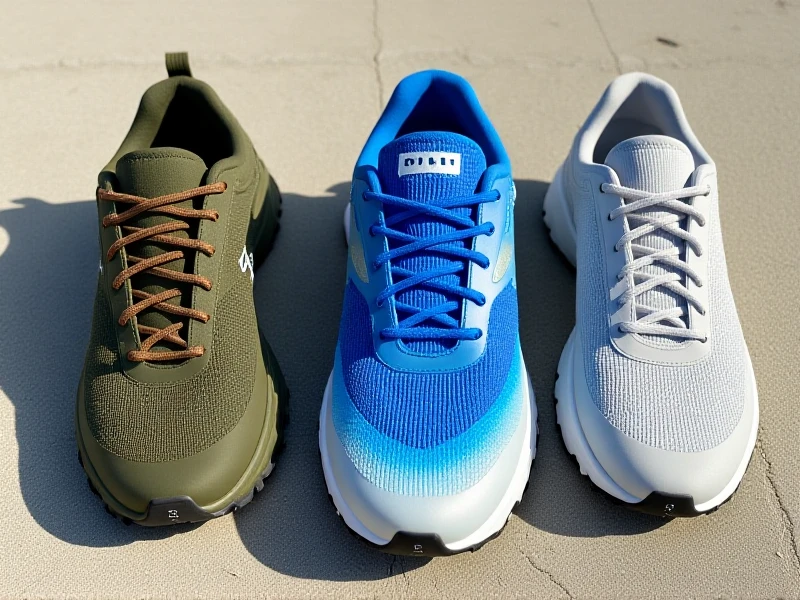
Conquer Every Trail: Your Ultimate Guide to Choosing Hiking Shoes
Finding the perfect hiking shoes is the foundation for a safe and enjoyable adventure. Whether tackling coastal paths, hardwood forests, or rugged mountains, your footwear dramatically impacts comfort, stability, and endurance. Choosing wisely means the difference between euphoric summit views and painful blisters cutting your trek short.
Why Proper Hiking Shoes Rule:
Unlike regular sneakers or running shoes, quality hiking shoes are engineered for the trail:
- Aggressive Outsoles: Deep, multi-directional lugs grip muddy, wet, rocky, or loose surfaces, preventing slips. Vibram® and proprietary rubber compounds deliver superior traction.
- Ankle & Heel Support: Robust midsoles and heel counters stabilize your foot on uneven ground, reducing ankle rolls and fatigue. Mid-cut models offer enhanced support.
- Protection: Reinforced toe caps shield against rocks and roots. Durable uppers (synthetic, leather, or mesh blends) fend off abrasion and water. Many feature rock plates guarding your feet from sharp protrusions.
- Cushioning & Responsiveness: Strategically placed cushioning absorbs impact without feeling overly mushy, providing comfort mile after mile.
Key Features to Consider for Your Next Pair:
- Terrain Matching: Light trail? Breathable trail runners suffice. Rugged, wet terrain? Prioritize waterproof hiking shoes (like Gore-Tex®) and sturdier builds with rock plates. Off-trail scrambling? Sturdy boots offer maximum ankle support.
- Fit is Paramount: Your feet swell during hikes! Shop later in the day, wear hiking socks, and ensure:
- A thumb's width of space beyond your longest toe.
- Secure heel lock-down with zero slippage.
- Comfortable width – snug but without pressure points. Try before you buy!
- Weight: Lighter hiking shoes offer agility and less fatigue on well-maintained trails. Heavier boots provide durability and support for challenging terrain or heavy loads.
- Weatherproofing: Waterproof linings keep feet dry in wet grass and puddles, but reduce breathability. Highly breathable, non-waterproof shoes dry faster and are cooler for warm/hot climates.
Keeping Your Hiking Shoes Happy:
Maximize lifespan and performance:
- Clean: Brush off loose dirt post-hike. Hand wash with mild soap for deeper mud.
- Dry: Remove insoles and loosen laces. Air dry naturally, away from direct heat which cracks leather and deteriorates glues.
- Re-Waterproof (Non-Gore-Tex): Periodically apply dedicated treatments for leather or fabric to maintain water resistance.
- Replace: Worn-down tread loses grip. Flattened cushioning loses support. Pay attention – soles often wear out before uppers.
Invest in the Foundation of Exploration
Choosing the best hiking shoes is a crucial investment in your outdoor comfort and safety. Consider the trails you love, prioritize impeccable fit, and seek the features matching your adventure style. With the right footwear anchoring every step, you’re ready to explore further and experience the wilderness with confidence. Discover your ideal hiking shoes and unlock the path ahead.